HOW WE GROW
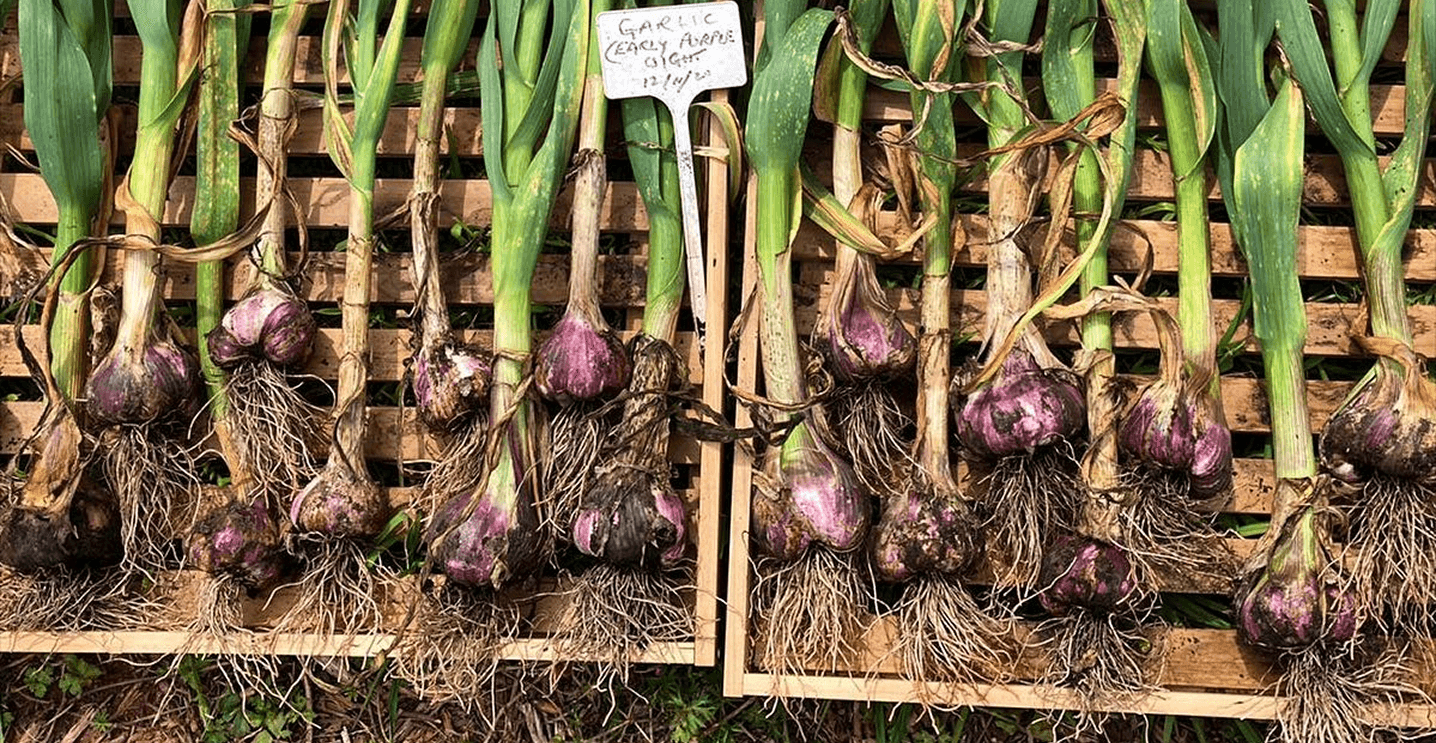
Rooted in regenerative agriculture, we grow food as part of a living, interconnected system - where soil health, biodiversity, and seasonal rhythms guide every decision we make.
We begin by nurturing the land naturally, building fertility through diverse crop rotations and herbal leys rather than relying on artificial inputs, always working in step with local conditions and the changing seasons. From there, our approach expands into a holistic model that brings together agroecology, low-impact growing methods, and community involvement - allowing us to produce food that is not only local and seasonal, but also supports wildlife, strengthens ecosystems, and reconnects people with the land it comes from.
WILDFLOWER MEADOWS
They sit at the heart of our vision for a truly biodiverse farm, they are not an add-on or a decorative extra — they are essential ecological infrastructure.
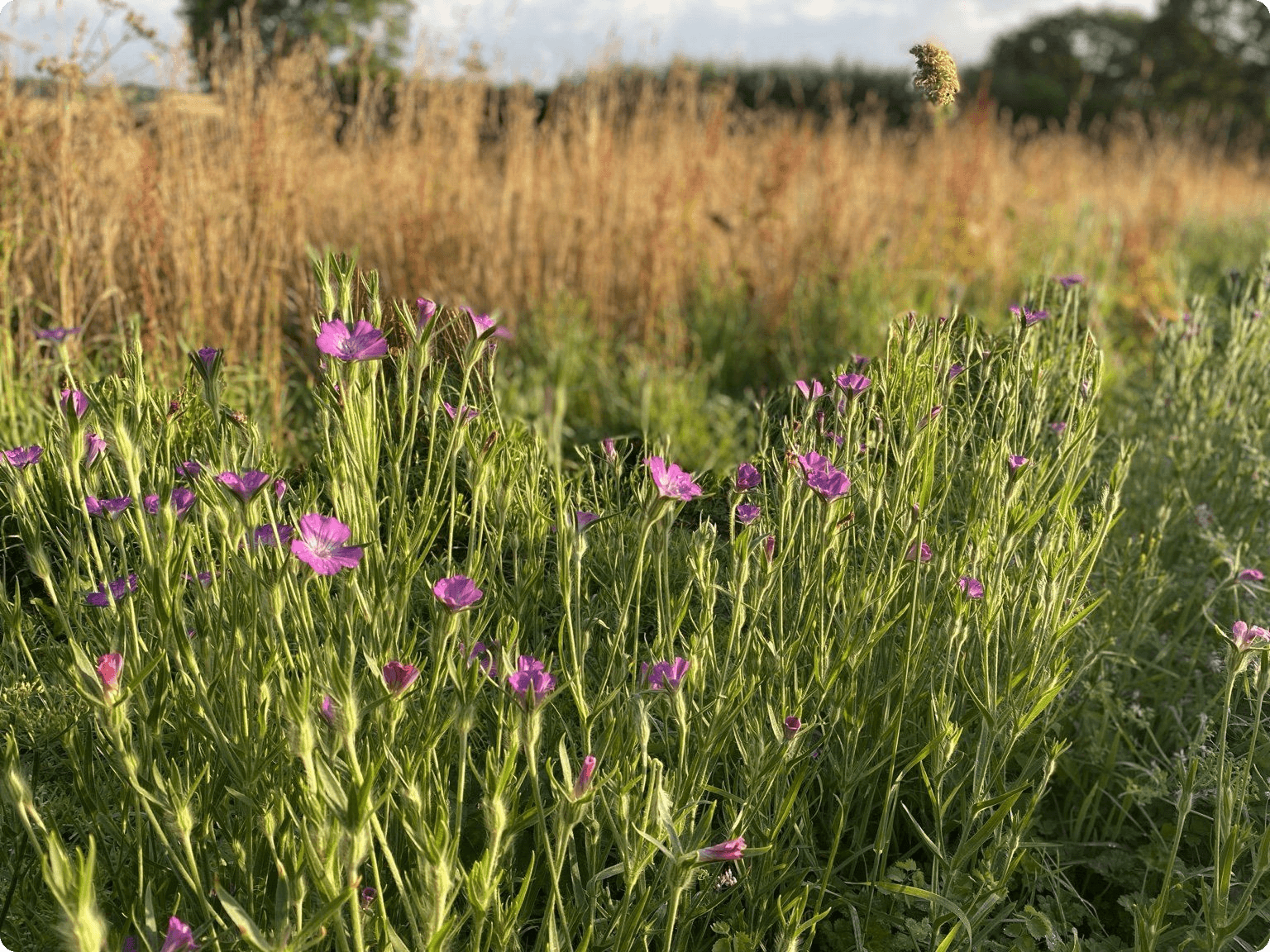
We currently have three areas dedicated to wildflowers. One meadow is already well into conversion and developing beautifully. Each year we are seeing a natural increase in yellow rattle, which helps weaken dominant grasses and creates space for a wider diversity of flowering species to thrive. As the grasses recede, the meadow becomes richer, more balanced, and more alive with insects and pollinators.
In 2025–2026 we established a second smaller meadow area specifically to increase our own seed supply. Our aim is to harvest seed on site, strengthening locally adapted genetics and building resilience year on year.
Looking ahead to 2027, we have identified a further 2½-acre field for yellow rattle establishment, before introducing a broader mix of wildflower species in subsequent seasons. This phased approach allows us to prepare the ground properly and ensure long-term success.
When fully established, our wildflower meadows will total approximately 4–5 acres across the farm, creating corridors of habitat that increase biodiversity across the whole site — from soil fungi and invertebrates to birds and pollinators.
A CLOSED-LOOP SYSTEM
Each summer, after the flowers have set seed and completed their work for biodiversity, the meadows are cut. The arisings are not wasted. They form a vital part of our closed-loop composting system.
We combine meadow greens with ramial woodchip as our carbon source, supported by our forestry set-up which produces windrows that are turned and matured into rich compost. This compost feeds our vegetable beds, which in turn feed our community — and the cycle continues.
Our ambition is not only to grow vegetables, but to restore ecological balance. We hope, in time, to return seed back to Exmoor National Park in recognition of the support they have given us on this journey.
These meadows are our long-term commitment to biodiversity — living proof that food production and ecological restoration can, and must, go hand in hand.
OUR EVER-EVOLVING COMPOSTING SYSTEM
At the heart of our farm is a composting system that continues to evolve alongside our understanding of soil, ecology and resilience. We see compost not simply as a fertiliser, but as a living bridge between our meadows, our trees, our soil fungi, and ultimately the food we grow.
Our agroforestry system spans five acres and is planted on a north–south orientation to maximise light distribution. The tree rows are made up of hazel, willow and walnut, carefully chosen for their ecological value and long-term productivity. Between these rows lie species-rich meadow strips. Each summer we cut the meadow risings from selected areas, always leaving generous margins untouched so biodiversity can thrive amongst the trees. These margins provide habitat, seed sources, insect corridors and shelter — an essential part of the whole system.
The meadow cuttings form the green, nitrogen-rich base of our compost. We layer these fresh risings with ramial woodchip — chipped young branches rich in lignin and fungal food. At present we bring ramial woodchip onto the farm, but this is a temporary step in our journey. In 2025 we planted just under an acre of willow on a steep slope, with the intention of harvesting it from 2027 onwards. Our aim is to produce our own woodchip on site, closing the loop further and reducing external inputs.
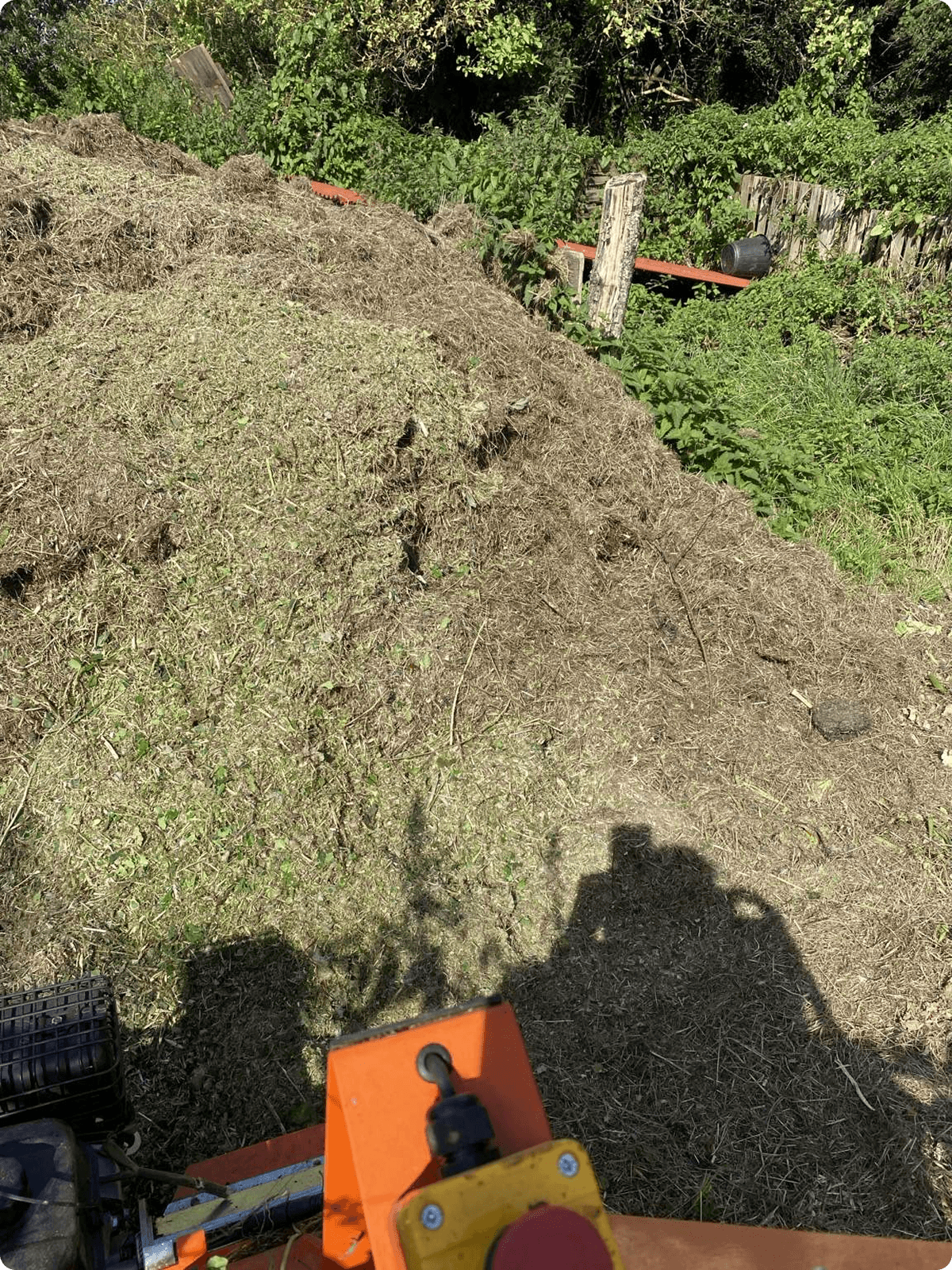
This composting process is as much an ecological practice as it is a practical one. The balance between meadow material and woodchip is something we continue to observe, test and refine. Compost is never static; it reflects weather patterns, plant diversity, carbon–nitrogen ratios, and microbial life. We are open-minded in this process and transparent about our learning. If adjustments are needed, we adapt. We welcome conversation and shared knowledge as part of this ongoing evolution.
Our primary goal is to feed soil fungi and strengthen underground networks. We focus on feeding the soil, rather than feeding crops directly. By building fungal communities and soil structure, we create conditions in which plants can access nutrients through natural biological processes. In this way, we often say that the vegetables are a byproduct of healthy soil.
To support heavy-feeding crops, we occasionally supplement with meadow teas, comfrey tea and experimental soil ferments. These inputs are used thoughtfully and sparingly, as tools to complement — not replace — the deeper work of compost and soil biology.
Caring for soil is the foundation of everything we do. Through composting, agroforestry and biodiversity stewardship, we are building a farm system that regenerates itself year after year. It is a living process, rooted in observation, humility and a willingness to learn.
And from this living soil, extraordinary food grows.
© 2026 - With the Wild
Powered by
